Protein Snacks Are Rewriting the Rules of Modern Snacking
As we are all aware by now, protein snacks are steadily reshaping the global snacking market, and at this point, it is no longer a niche shift or a passing trend. What began as a category largely confined to fitness enthusiasts has evolved into something far more mainstream, driven by broader changes in how consumers think about food, health, and convenience. There is no denying the momentum behind it.
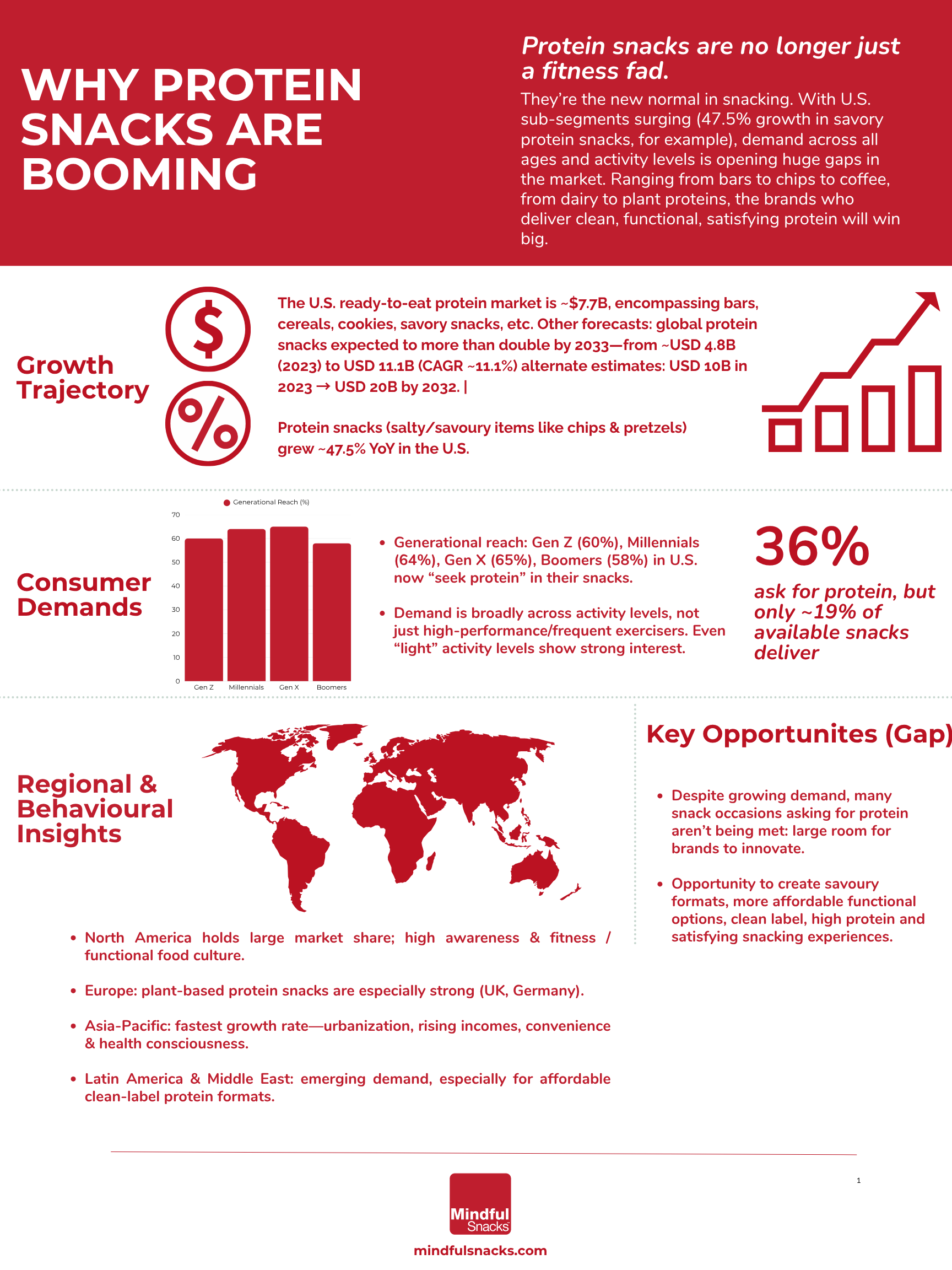
Demand for protein snacks is growing roughly three times faster than the overall snack category, a gap that signals more than incremental growth. It reflects a redefinition of what consumers expect from snacks in general. No longer seen as purely indulgent or discretionary, snacks are increasingly evaluated through a functional lens. People are asking what their food does for them, not just how it tastes. With protein snacks now representing a multibillion-dollar segment within a much larger global snacking market, and projected to expand significantly over the next decade, this shift is not only accelerating but compounding.[1]
At the center of this growth is a simple but powerful idea: efficiency. Today’s consumers are time-pressed, balancing work, social commitments, and personal health in increasingly compressed schedules. Traditional meal structures are breaking down, replaced by more fluid eating patterns throughout the day. In this environment, protein snacks offer a practical solution. They provide satiety, sustained energy, and nutritional value in a format that fits seamlessly into busy routines. Whether it is between meetings, after a workout, or during a commute, the appeal lies in their ability to deliver more with less friction.
Gen Z is playing a defining role in accelerating this shift. This is a generation that approaches health differently, blending aesthetics, performance, and long-term wellbeing into a single mindset. Fitness is not a separate activity but part of a broader lifestyle, one that includes how they eat, what they consume, and how those choices align with their identity. More than 60 percent of Gen Z and Millennial consumers are actively seeking protein in their snacks, reinforcing just how central this macronutrient has become to everyday decision-making.[2] Protein, in this context, has evolved into a signal. It communicates intention. It reflects a desire to make choices that support both immediate energy and long-term goals.
But it is not just about protein itself. It is about how that protein is delivered. Consumers are increasingly attentive to ingredients, sourcing, and transparency. The rise of clean-label products reflects a growing skepticism toward overly processed foods and a preference for simplicity. People want to recognize what they are eating. They want fewer additives, shorter ingredient lists, and products that feel closer to whole foods. More than 60 percent of new product launches in the category now emphasize natural or additive-free positioning, highlighting just how important this shift has become for brands looking to stay relevant.[3]
At the same time, plant-based innovation is expanding what protein snacks can look like. For years, protein was closely associated with animal-based sources such as whey or meat. While those options still dominate in many segments, there has been a surge in alternatives derived from peas, lentils, chickpeas, and other plant sources. This shift is not only driven by dietary preferences but also by environmental considerations and a broader interest in sustainability. Consumers are not just asking how much protein is in a product. They are asking where it comes from and how it is produced.
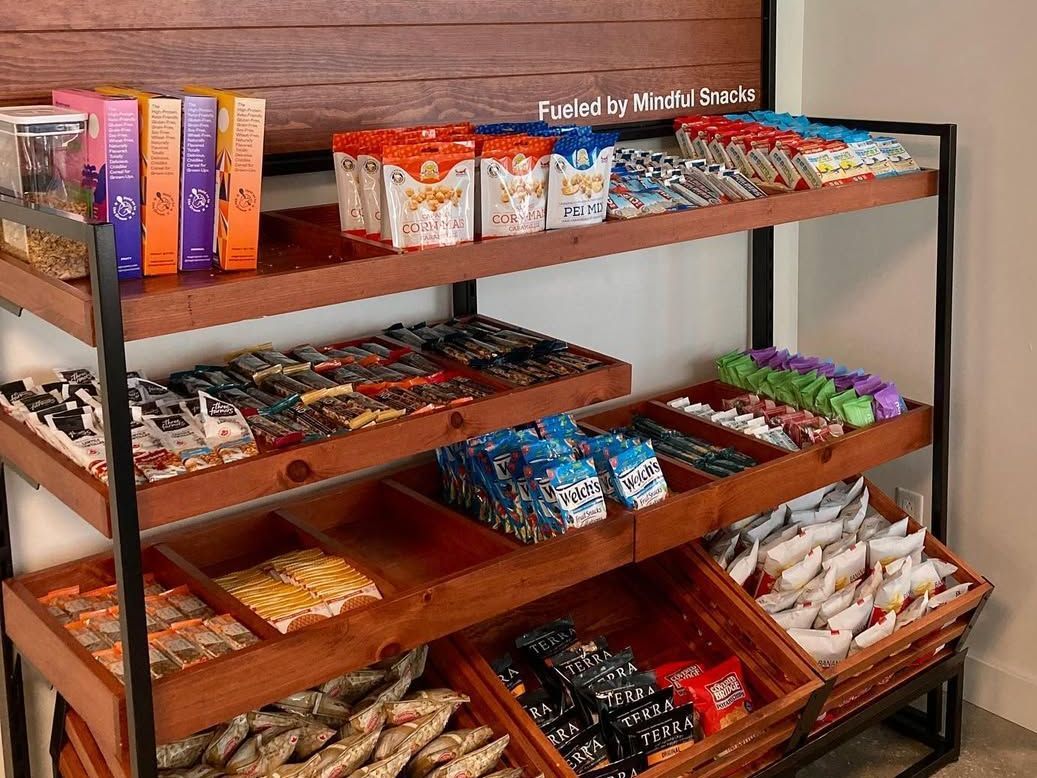
Texture, taste, and format are also evolving rapidly. Early protein snacks often struggled with palatability, leaning heavily on function at the expense of experience. That trade-off is no longer acceptable. Today’s consumers expect both. They want snacks that deliver on nutrition but also feel indulgent, satisfying, and enjoyable. This has led to a wave of innovation across formats, from protein bars and chips to cookies, beverages, and hybrid products that blur traditional category lines. The result is a market that feels more like a creative playground than a rigid category.
Another important driver is the shift toward personalized nutrition. As consumers become more informed, they are seeking products that align with specific goals, whether that is muscle gain, weight management, or sustained energy throughout the day. Protein snacks are well positioned to meet these needs because they can be tailored in terms of protein content, calorie count, and ingredient profile. This flexibility allows brands to target different segments with precision, creating products that feel relevant rather than generic.
Convenience remains a defining factor across all of this. The modern consumer does not just want healthy options. They want accessible ones. Fitness culture, busy lifestyles, and the growing demand for functional nutrition are all reinforcing the need for products that can be consumed quickly and easily without sacrificing quality.[4] Protein snacks sit at the intersection of all three, making them uniquely positioned to capture sustained demand.
Despite this growth, one of the most interesting aspects of the protein snack market is how much white space still exists. For all the innovation, there are still gaps in accessibility, affordability, and everyday integration. Many products remain priced at a premium, limiting their reach beyond a core audience. Others are positioned too narrowly, tied to specific use cases like post-workout recovery rather than everyday consumption. This creates an opportunity for brands to rethink positioning, making protein snacks more inclusive and more embedded in daily routines.
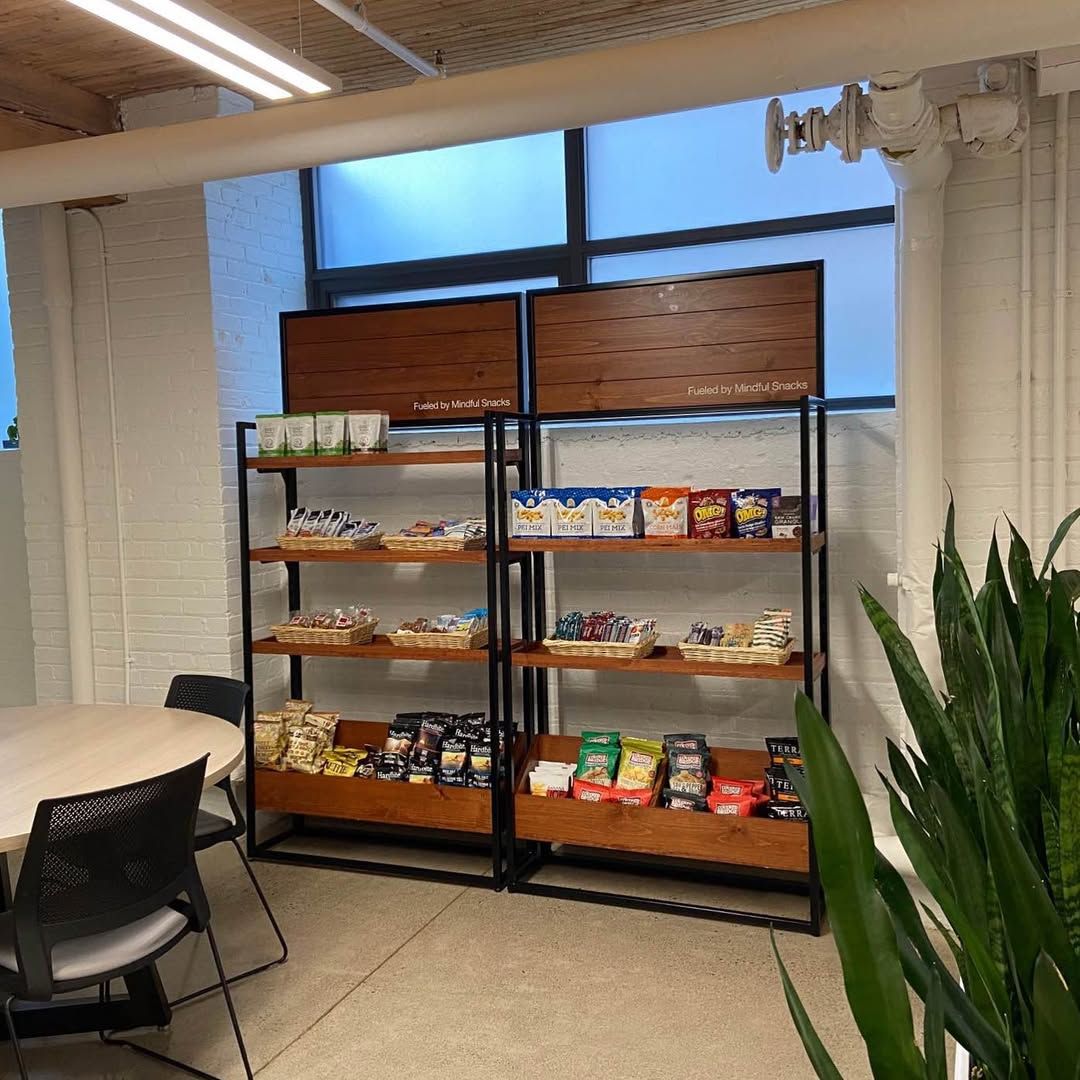
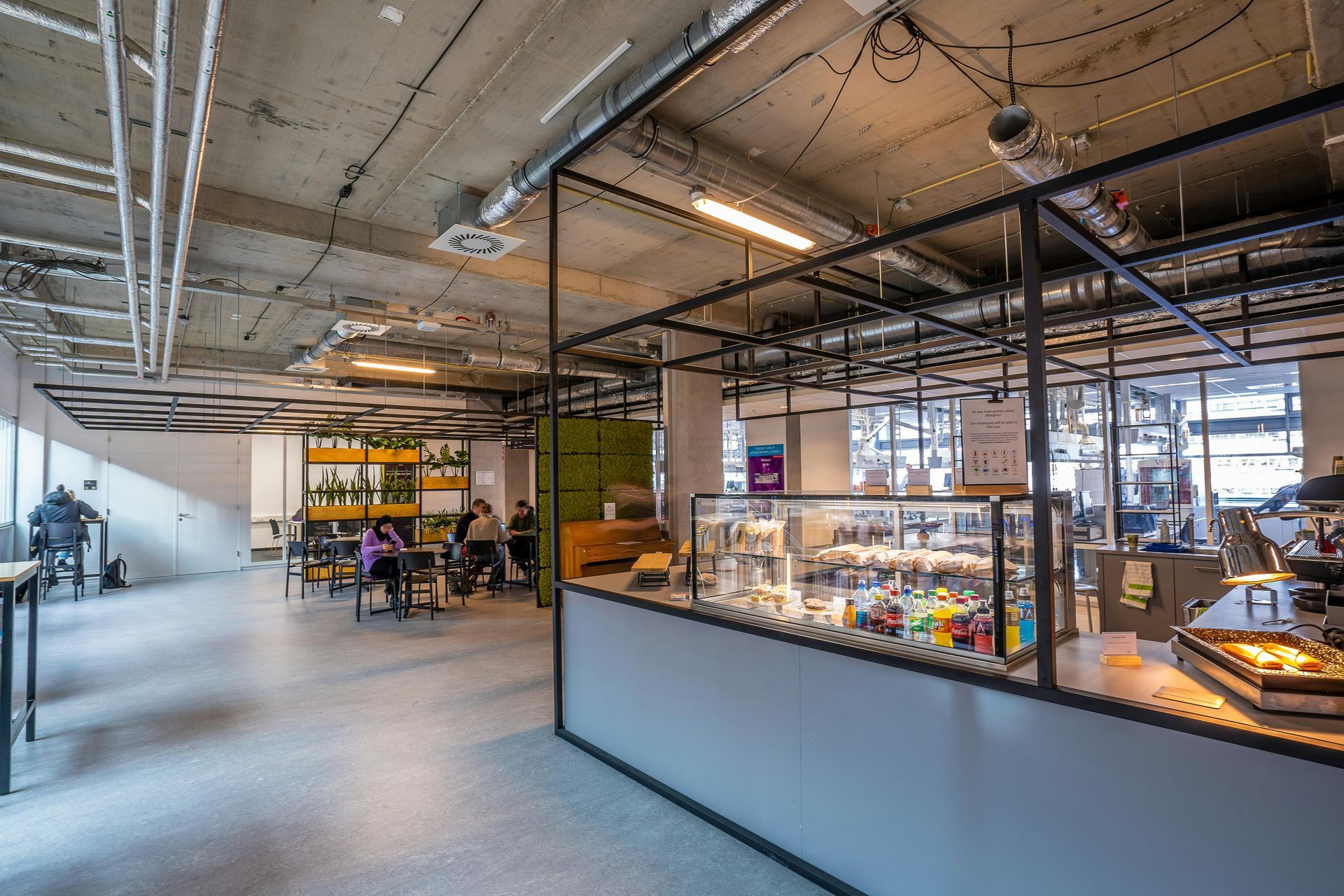
Distribution also plays a critical role. As with any consumer product, access shapes behaviour. Protein snacks that are available only in gyms or specialty stores will reach a different audience than those placed in office kitchens, convenience stores, or mainstream retail environments. The more these products appear in everyday contexts, the more they transition from niche to norm. This is where brands can unlock meaningful growth, not just by creating better products but by placing them where decisions are actually made.
There is also a cultural dimension to consider. Food is not purely functional. It carries meaning, signals identity, and shapes how people connect with one another. As protein snacks become more mainstream, they are beginning to play a role in these dynamics. Sharing a snack, recommending a product, or aligning with a particular brand becomes part of how consumers express their values and preferences. This is particularly true among younger audiences, where food choices are closely tied to lifestyle and identity.[5]
For companies operating in adjacent spaces, including workplace environments, the rise of protein snacks presents a clear opportunity. As organizations rethink how they support employee wellbeing, nutrition is becoming a more central consideration. Offering protein-forward options is not just about following a trend. It is about aligning with how people actually want to eat and what they need to perform throughout the day. In many ways, protein snacks fit naturally into this shift, providing a convenient and effective way to support energy, focus, and overall health.
Looking ahead, the trajectory of the protein snack market suggests continued expansion, but not without increased competition. As more brands enter the space, differentiation will become more challenging. It will not be enough to simply add protein to an existing product and expect it to resonate. Success will depend on a deeper understanding of consumer behaviour, from how people shop to how they consume and what they prioritize.
Brands that can balance function and experience, deliver transparency and trust, and integrate seamlessly into daily life will be best positioned to capture this growth. Those that treat protein as a superficial addition rather than a core value proposition may struggle to stand out in an increasingly crowded field.
Ultimately, the rise of protein snacks reflects a broader shift in how we think about food. It signals a move toward more intentional, functional, and flexible eating habits. It highlights the growing importance of convenience, accessibility, and alignment with lifestyle. And it reinforces a simple but powerful idea: consumers want more from their food. They want it to work harder, fit more seamlessly into their lives, and support their goals without adding complexity.
The category is evolving quickly, but the underlying drivers are clear. For brands, the opportunity is significant, but it requires more than participation. It requires thoughtful execution, a strong point of view, and a willingness to meet consumers where they are.
Sources:
[2] https://www.glanbianutritionals.com/en/nutri-knowledge-center/insights/rise-protein-snacking
[3] https://www.emergenresearch.com/industry-report/protein-snacks-market/market-trends
[4] https://marketgenics.co/reports/protein-snacks-market-50261
[5] https://www.foodandwine.com/gen-z-gen-alpha-snacking-trends-11952838
Recent Posts